


What the Recruiting Process at JAM Is Really Like
Bastian’s Experience on the Path to Marketing Lead

Bastian Luetge-Traut
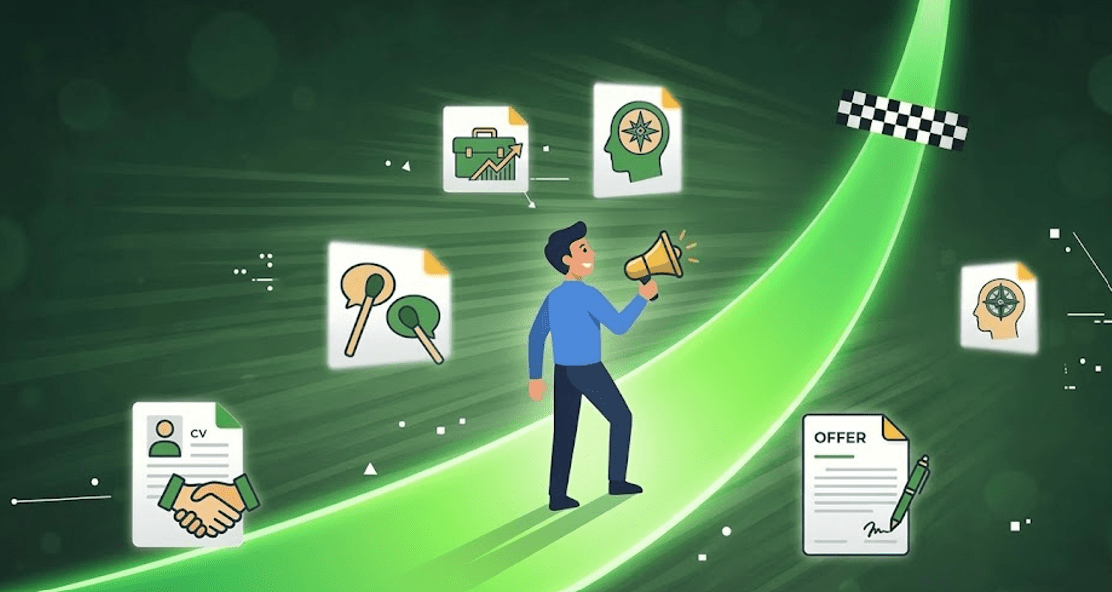
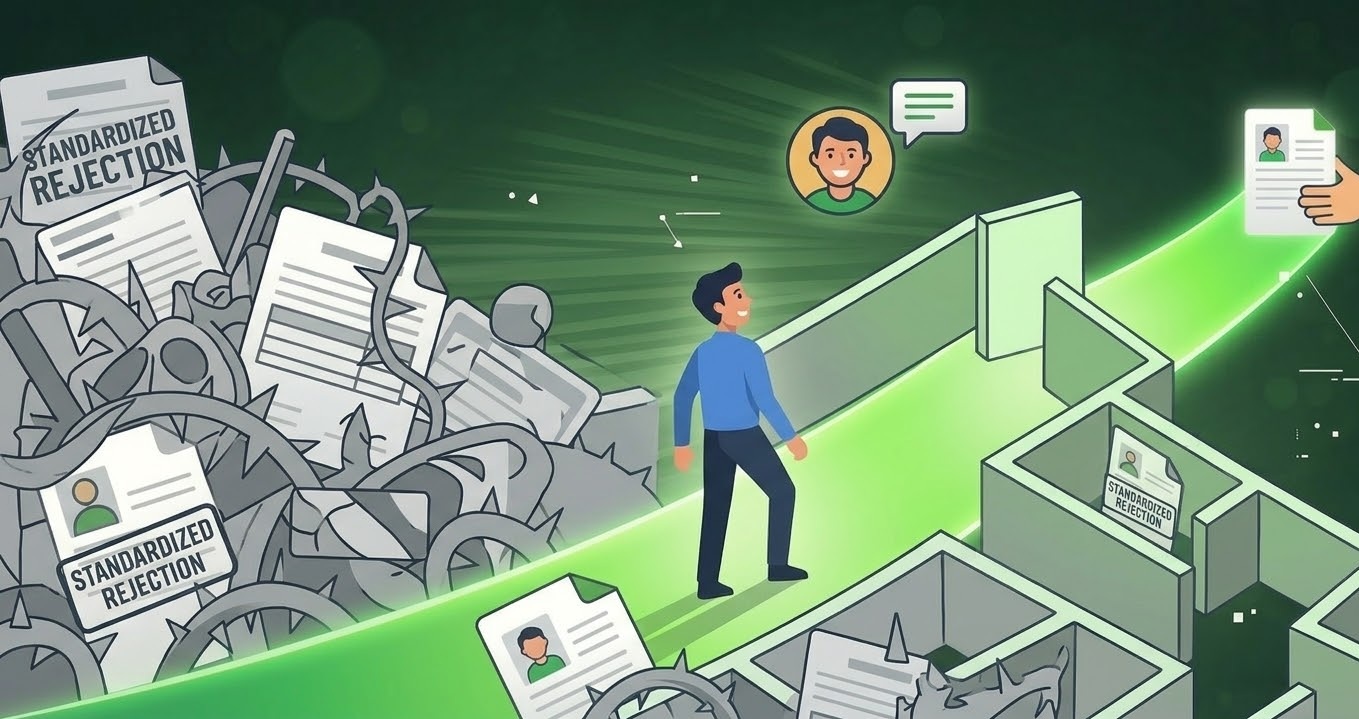
Changing jobs always comes with a certain baggage. I call it a bitter aftertaste, because you know you’re about to dive into the jungle of the application process. And who hasn’t been there: 50 applications sent, 30 automated and standardized rejections received, many companies never respond at all, and maybe 2–3 invitations to an actual interview.
A Transparent Start From the Very Beginning
Today, the first impression usually forms long before the actual job interview — when you visit the careers page. That’s exactly how it was for me. It was already clear at this stage that the recruiting process was well-structured and easy to follow. The requirements were clearly described. They weren’t looking for an entire team rolled into one person, but rather someone who could fully focus on a specific role.
Instead of a complicated application portal with countless mandatory fields, a straightforward application with the relevant information was all it took. No redundant data entry, no unnecessary bureaucratic overhead. And importantly: a real person got back to me. Not a standard response generated by a system. That might seem like a small detail, but it’s a significant factor for a positive candidate experience. In a time when applications frequently disappear into anonymous systems, a direct personal response makes a noticeable difference.
Even at this early stage, one thing was clear: here, it’s not just a résumé being evaluated — it’s a person being acknowledged.
Getting to Know Each Other on Equal Footing
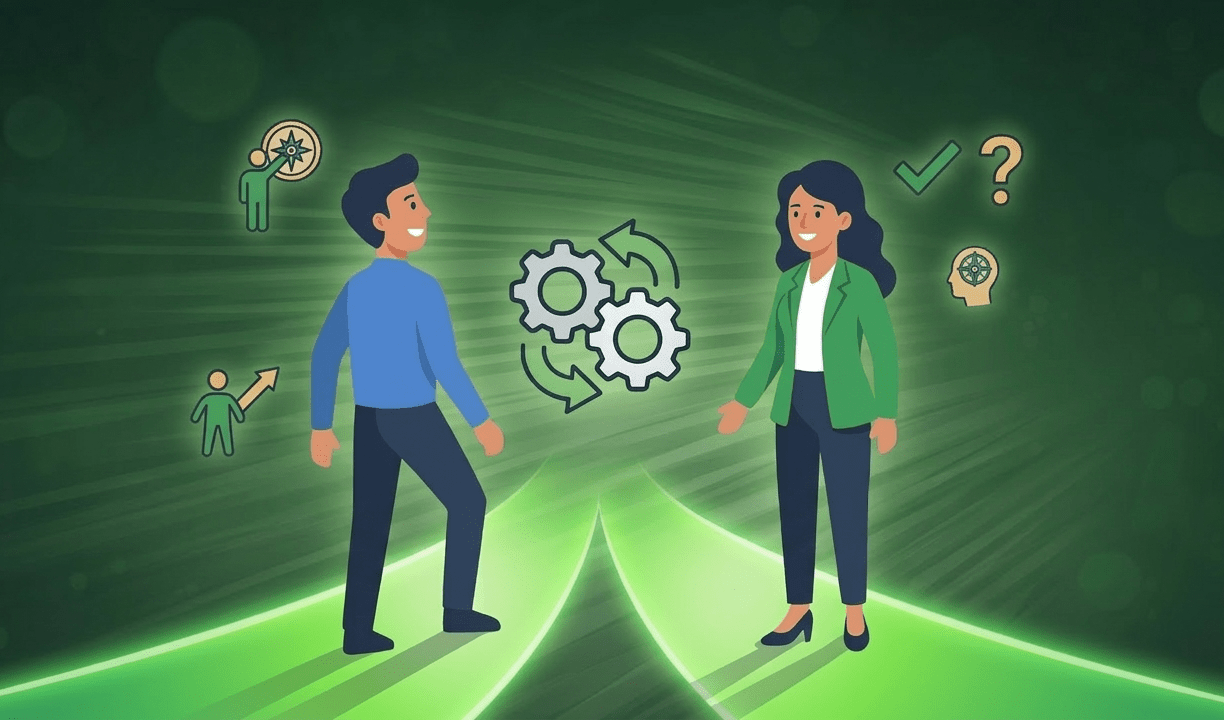
The first interview was a pivotal moment for me. Many people know job interviews as a kind of exam situation — with clearly defined roles: the company on one side, the applicant on the other. At JAM Software, it felt different. The conversation was structured, yet open and dialogue-oriented at the same time.
Of course, the key stages of my career were discussed. But the goal wasn’t to look for gaps or mistakes or to critically scrutinize individual details. Instead, the focus was on motivation, working style, and expectations. Why am I interested in this position? Which tasks excite me the most? How do I envision collaboration? And equally important: what do I expect from an employer?
This sense of mutuality impressed me. It wasn’t just about whether I fit the company, but also about whether the company fits me. This attitude creates an atmosphere of genuine equality. Questions were explicitly encouraged, and I received honest insights into team structures, projects, and decision-making processes. The conversation was professional but never distant — open, yet purposeful.
Especially in the IT industry, where talent shortages and time pressure often play a role, this balance is far from a given. That makes a process that leaves room for genuine connection despite its efficiency all the more valuable.
Hands-On Insights Instead of Exam Pressure
Another step in the recruiting process was a practical task. Many people associate such tasks with stress, pressure to be perfect, or artificially constructed test scenarios. My experience, however, was quite different. The task was designed to be practical and based on real challenges from day-to-day work.
Rather than an isolated theoretical exercise, it was about analyzing a specific situation and developing possible solutions. The focus wasn’t so much on a perfect end result, but rather on the approach: How do I structure a problem? What priorities do I set? How do I document my thinking? These are exactly the aspects that reflect daily work.
What I found particularly positive was that sufficient time was provided and expectations were clearly communicated. The goal wasn’t to trip anyone up, but to get a realistic picture of each other. For me, this phase wasn’t just an opportunity to show what I can do — it was also a valuable basis for my own decision. I could assess whether the tasks suit me, whether I like the way of thinking, and whether I could see myself working in this environment long-term.
In the follow-up conversation, my proposed solutions were reflected on together. Questions were discussed objectively and constructively. This exchange felt less like an evaluation and more like a professional discussion among colleagues. That’s exactly what gave me a good feeling about the whole process.
Respectful Communication and Clear Feedback
One aspect that defined the entire recruiting process was the consistently respectful communication. Appointments were scheduled flexibly, responses came promptly and transparently. Even when internal coordination took a bit longer, I was openly informed about it.
In application processes, uncertainty often arises from a lack of communication. You wait, interpret silence, and start making assumptions. I didn’t experience that here. Instead, it was always clear which step of the process I was in and what would come next.
The feedback was also constructive and well-reasoned. Decisions weren’t communicated in brief one-liners but explained in an understandable way. This transparency shows respect — regardless of whether the outcome is positive or negative. After all, recruiting isn’t just an organizational task; it’s always a sensitive interpersonal process as well.
For me, this clear communication was a strong signal about the company culture. An organization that acts openly and reliably during the application process lays a solid foundation for future collaboration.
Personality Assessment as an Unexpected Step
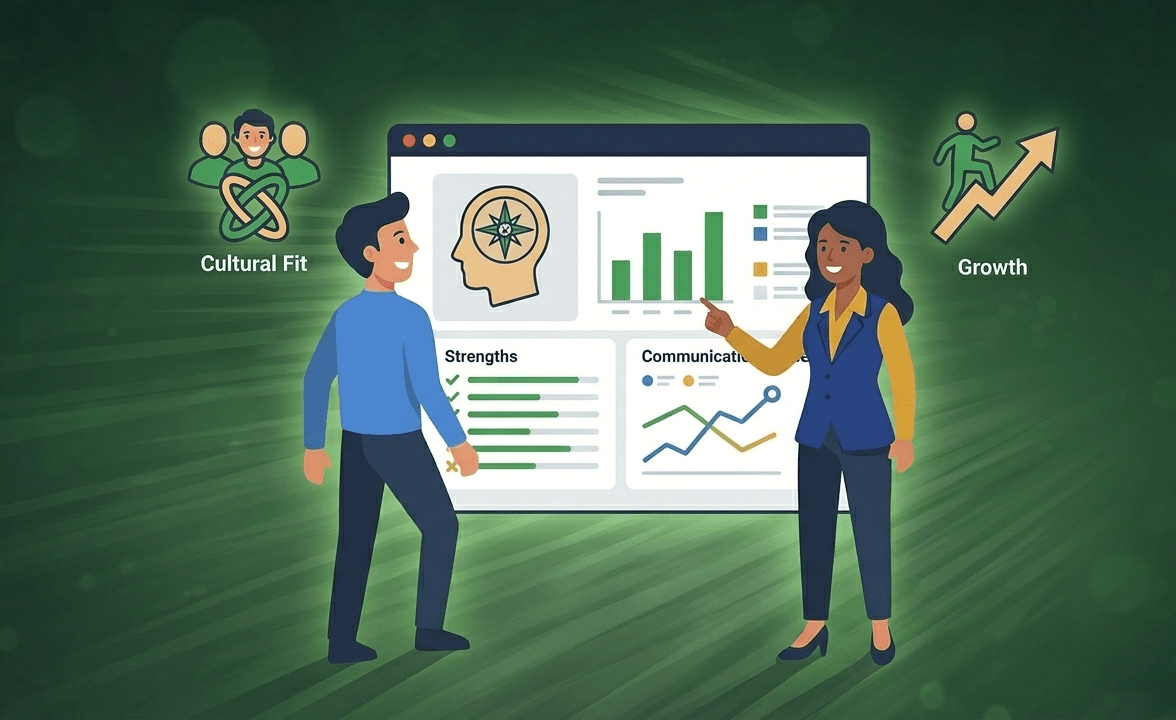
Before I got to meet the team, there was an interesting and rather unusual appointment on the agenda. One element of the recruiting process that I hadn’t experienced in this form before was a personality assessment followed by a review session with an external coach. At first, I was curious and, honestly, a bit anxious about what to expect.
The assessment itself was well-structured and covered various questions about working style, communication behavior, decision-making, and motivation. It wasn’t about “right” or “wrong” answers, but about preferences and natural tendencies. This was also clearly communicated beforehand: the assessment isn’t meant to put anyone in a box, but to help develop a better mutual understanding.
What was particularly valuable was the subsequent conversation with the coach. In a personal exchange, the results were reflected on and put into context. It wasn’t just about the company’s perspective, but also about my own self-perception. Some aspects confirmed my previous experiences, while others opened up new perspectives on my strengths and areas for development.
What made this step special was the respectful and professional atmosphere. The conversation didn’t feel like an evaluation, but like an individual assessment of where I stand. Topics such as team dynamics, communication preferences, and potential stress factors were discussed openly. This created a very nuanced picture — both for the company and for me personally.
Looking back, I found this step to be a genuine added value. It showed that it’s not just about professional qualifications, but also about cultural fit and long-term collaboration. At the same time, I had the feeling that there is a sincere interest in leveraging people’s strengths and supporting their development in a targeted way.
The First Day as a Natural Continuation
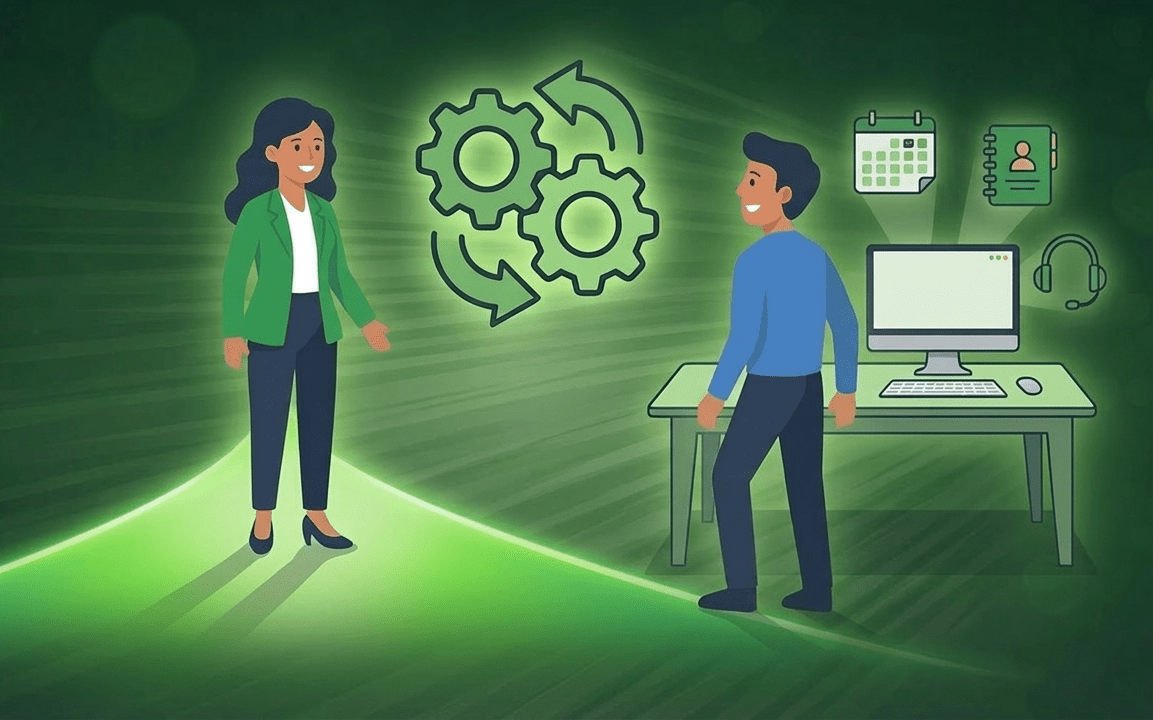
I also found the transition from recruiting to onboarding particularly noteworthy. This is often where expectations and reality diverge: a positive application process followed by an unstructured start. At JAM Software, I felt that the professional impression was consistently carried forward.
Before my first day of work, I had already received all the relevant information. On day one, my workspace and equipment were set up, onboarding meetings were scheduled, and there were clear points of contact. The openness from the application process continued within the team. Questions were welcome, and support was a matter of course.
This meant there was no abrupt transition, but rather a seamless continuation of the impression I had formed. The recruiting process wasn’t just an isolated procedure — it was the first building block of a long-term collaboration.
Recruiting as a Reflection of Company Culture
Looking back, I see the recruiting process as a kind of preview of the company culture. Structured, transparent, and genuinely human at the same time. This combination ran like a common thread through every phase.
A professional process doesn’t have to be cold or distant. And a friendly atmosphere doesn’t rule out efficiency. On the contrary: it was precisely the clear structure that made it possible to focus on what truly matters — content, motivation, and shared perspectives.
Recruiting is always a dialogue about expectations, values, and goals. It’s not just about qualifications — it’s about collaboration. I felt this attitude throughout the entire process. Decisions seemed well-founded, conversations felt authentic, and the interactions were respectful.
My Personal Takeaway
My experience with the recruiting process at JAM Software was overwhelmingly positive — not because everything seemed perfectly staged, but because it was honest, transparent, and well-organized. At every point, I felt taken seriously and actively involved in the process.
For me, this application process was more than a selection procedure. It was the first step into a collaboration built on trust, openness, and mutual respect. That’s exactly why it stays with me not just as a formal sequence of events, but as a defining experience at the beginning of my journey here.
So if you’re wondering what a modern recruiting process that combines professionalism with genuine humanity can feel like — JAM Software offers a compelling example.